A Taste of Sri Lanka
A Taste of Sri Lanka begins with more than just golden beaches and ancient temples—it unfolds through its vibrant, fragrant, and deeply traditional cuisine. For the travelling gourmand, the island offers an immersive food-story that blends South Indian, Arab, Dutch and British influences into something wholly unique. Whether you touch down in Colombo, head north to Jaffna, or explore the southern coast, you’ll find regional variations and local legends on every plate. This guide takes you through the top traditional Sri Lankan dishes you simply must try during your visit in 2025, laying out what they are, where to find them, and how to savour them like a local.
A Taste of Sri Lanka: Rice & Curry – The Soul of the Island
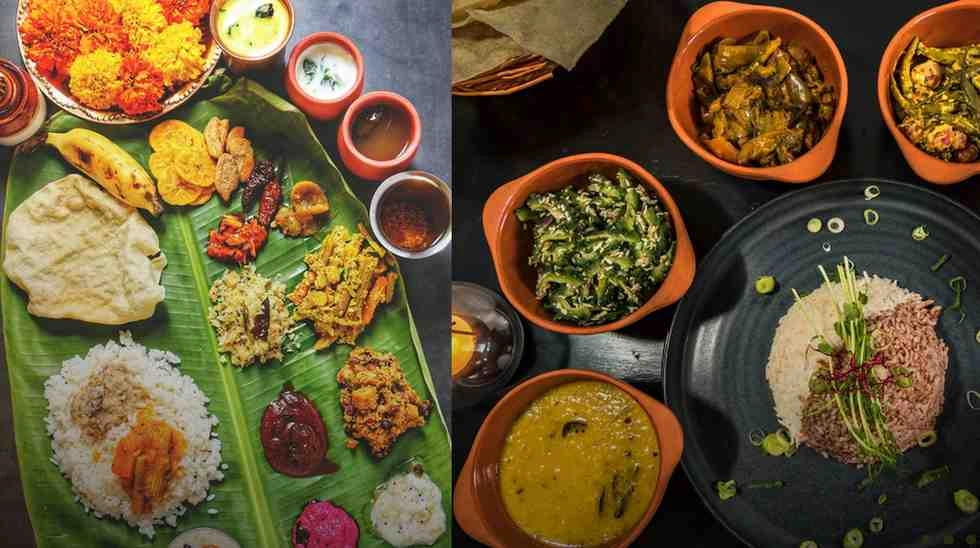
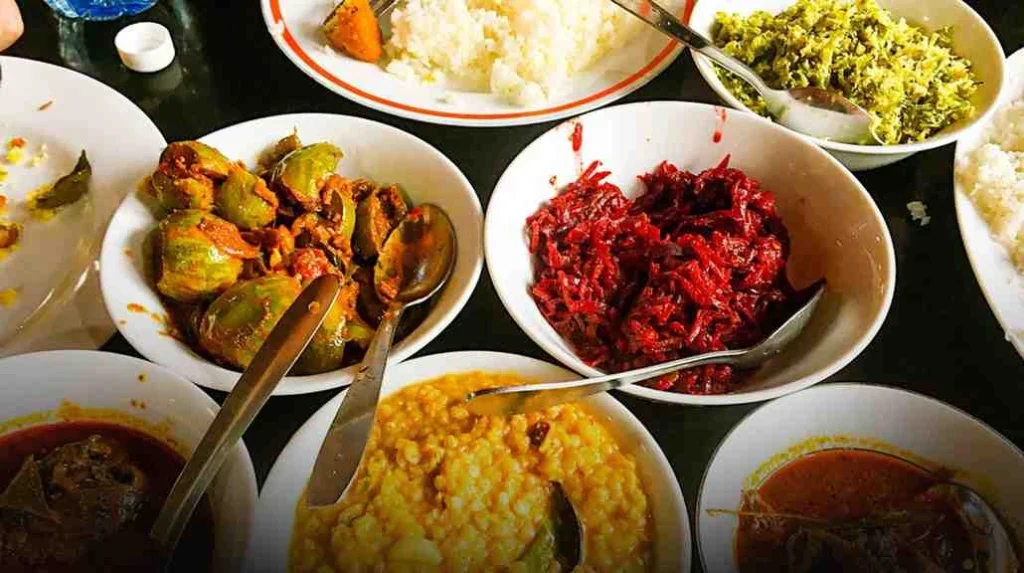
When you think of A Taste of Sri Lanka, nothing says “home-table” better than the ubiquitous rice and curry. At the heart of Sri Lankan cuisine is a plate of steamed red or white rice topped with multiple side dishes—curries, sambols, gravies—that together create an explosion of textures and flavours. Wikipedia+3Wikipedia+3Serious Eats+3
Typically you’ll see 3 to 6 side dishes alongside the rice: perhaps a spicy chicken or fish curry, a dhal (lentil) curry, a tangy mango curry, maybe a fried brinjal moju. Then there’s the iconic pol sambol (coconut/chilli relish) and the comforting kiri hodi (coconut gravy). The philosophy behind the dish is balance—sweet, sour, spicy and creamy all at once.
Pro tip for travellers: When you ask for a “rice and curry set” at a local eatery, you’re signing up for the authentic local experience. Choose a place where locals are dining—fresh curries and generous side dishes will often reveal the best versions.
A Taste of Sri Lanka: Hoppers (Appa) – Crispy Bowls of Morning Delight
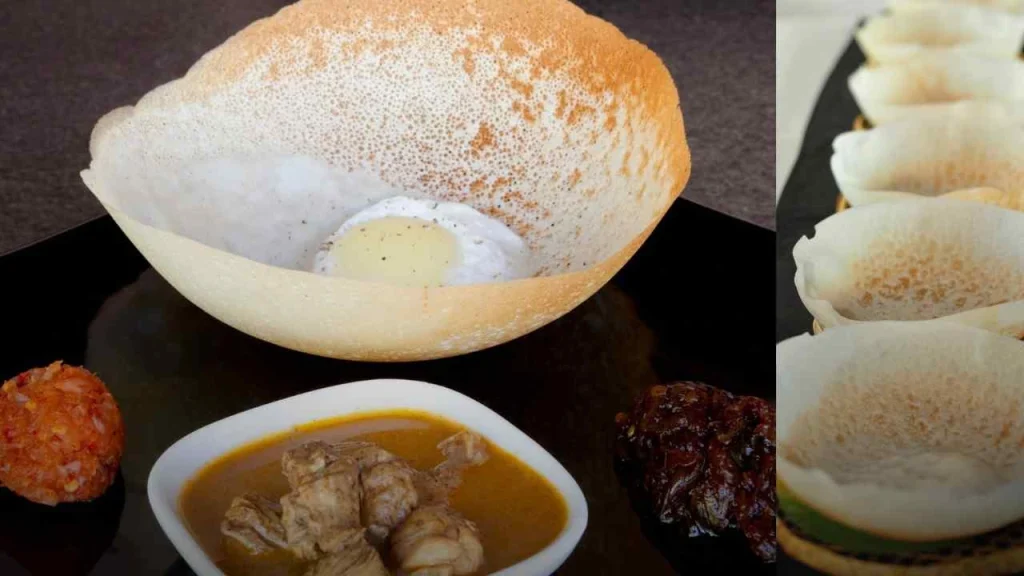
Another must on your culinary checklist for A Taste of Sri Lanka are the hoppers—or “appa” in local parlance. These bowl-shaped pancakes made from a fermented batter of rice flour and coconut milk are popular at breakfast, but can be enjoyed any time of day.
There are several styles:
- Plain hoppers: the crisp, lacy edges with a soft centre—delicious when dipped in curry or accompanied by sambol.
- Egg hoppers: the hopper with a sunny-side-up egg cracked into the middle—rich and satisfying.
- Sweet hoppers: made with coconut milk and jaggery (palm sugar) and cardamom—great as a dessert or sweet breakfast treat.
The contrast of the crunchy side and spongy centre gives them wide appeal, even for travellers new to Sri Lankan food. Pair with kiri hodi or lunu miris (spicy onion relish) for full effect.
A Taste of Sri Lanka: String Hoppers (Idiyappam) – Soft Steamed Nests for Curries
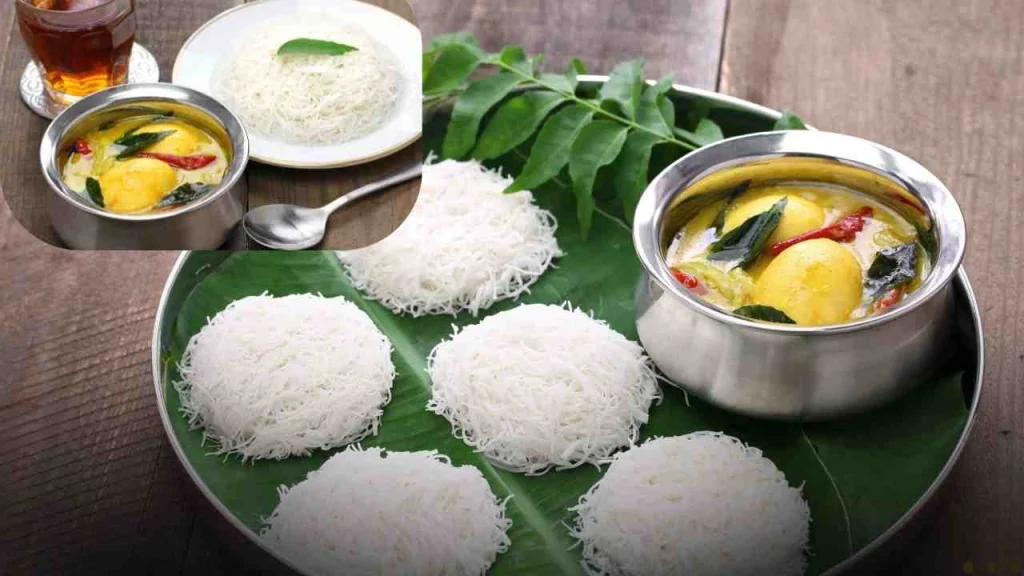
For a gentler introduction to local cuisine, try the string hoppers—or idiyappam—which form a key part of A Taste of Sri Lanka story. These are steamed nests of rice flour noodles, mild in flavour but excellent at soaking up richer curries.
You’ll often find them served with:
- Kiri hodi (coconut gravy)
- Dhal curry (parippu)
- Pol sambol
Because of their mildness, string hoppers are ideal for travellers who want traditional Sri Lankan dishes without overwhelming heat or complexity. They also reflect the south-India origin of some Sri Lankan dishes, adapted here with local coconut-rich touches. Migrationology – Food Travel Blog+1
A Taste of Sri Lanka: Kottu Roti – The Irresistible Street-Food Symphony
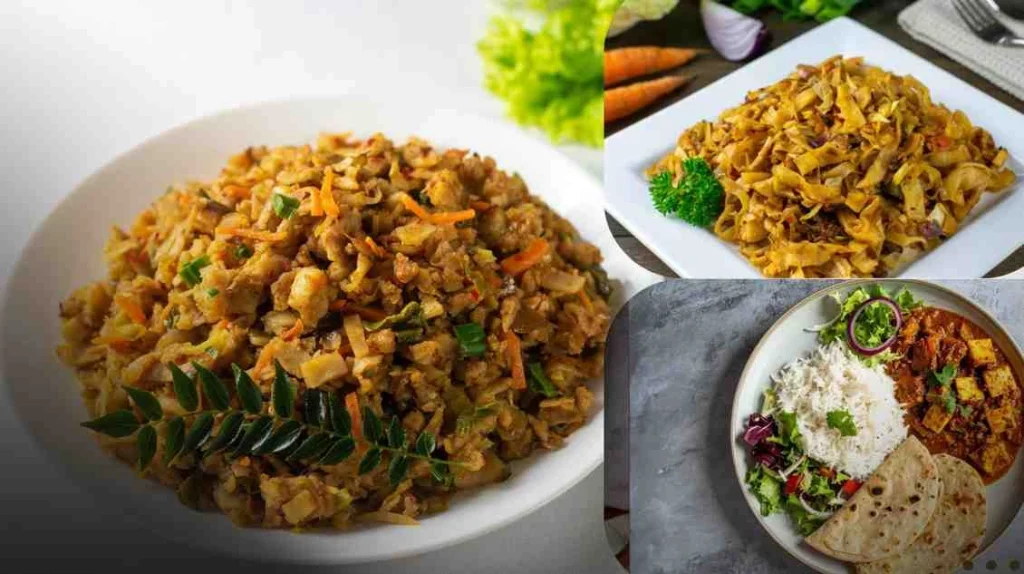
If you want to hear Sri Lanka as well as taste it, head to a roadside stall at night and listen for the metallic clatter of metal blades chopping roti on a flat griddle. That’s the sound of kottu roti—the street-food hero of A Taste of Sri Lanka.
Kottu is made by chopping up godamba roti (a Sri Lankan flatbread), then stir-frying it with vegetables, egg or meat, sauces, chillies and spices. It’s comfort food in a bowl—warm, spicy, filling—and ubiquitous from Colombo’s busy city streets to hillside mountain towns. Migrationology – Food Travel Blog+1
What makes it special:
- Flexibility: you’ll find vegetarian options, chicken, seafood, cheese-kottu variations.
- Late-night availability: perfect after exploring markets or nightlife.
- Local flair: each vendor has their signature twist—ask for “mild spice” or “medium spice” if you prefer less heat.
A Taste of Sri Lanka: Lamprais – The Colonial Legacy Wrapped in Banana Leaf
One of the more historic dishes in A Taste of Sri Lanka is lamprais—introduced during the Dutch colonial era and beloved by the Burgher community. It’s a beautifully assembled meal: rice cooked in meat stock, accompanied by meatballs, eggplant curry, sambol, and a meat or fish curry, all wrapped in a banana leaf and baked or steamed. Wikipedia
The banana leaf infuses a subtle smoky-green aroma, while the cross-cultural influences—Dutch + local Sri Lankan spice blends—make it uniquely memorable. This is a dish to seek out for a special lunch or on a festival day, rather than the everyday casual meal.
A Taste of Sri Lanka: Jaffna Crab Curry – The Fiery Jewel of the North
For seafood lovers, no survey of A Taste of Sri Lanka is complete without the legendary Jaffna crab curry. Originating in the northern region around Jaffna, it features large lagoon crab cooked in a rich gravy of coconut milk, roasted curry powder, chilli paste and curry leaves. Wikipedia+1
Here’s why it stands out:
- Fresh, locally-caught crab gives a seafood authenticity.
- Bold, spicy flavours—but you can ask for medium heat if needed.
- It showcases the coastal essence of Sri Lankan cuisine—seafood + coconut + heat.
Where to find it: try along the northern lagoon areas, or popular seafood restaurants on the east and south coast. It’s a highlight dish for travel bloggers and food-tour aficionados alike.
A Taste of Sri Lanka: Sweet Treats, Sambols & Snacks – The Final Flavor Adventure
When immersing yourself in A Taste of Sri Lanka, be sure to leave room for the little things—sambols, street snacks and desserts that add another layer of flavour to the journey.
Must-try sambols and sides:
- Pol sambol: fresh grated coconut, chilli, lime juice and salt. Wikipedia+1
- Seeni sambol: caramelised onions with spice, chilli and tamarind. Wikipedia
Desserts and sweets you’ll love:
- Kiribath: coconut-milk rice served at celebrations. Wikipedia+1
- Watalappam: a coconut milk and jaggery custard pudding with cardamom and nutmeg. Wikipedia
- Street-snack bites: fish patties, vada, samosas, egg rolls—perfect between train rides or bus journeys.
These smaller bites round out your food-tour of Sri Lanka—mixing spicy, sweet and tangy experiences in one day.
Travel & Dining Tips for 2025
- Eat where locals eat. The most authentic flavours often come from smaller restaurants or street-vendors rather than large tourist chains.
- Ask about spice level. You can always request your dish to be “medium” or “mild” to suit your palate.
- Try regional variation. Northern Sri Lankan food (e.g., Jaffna) tends toward seafood and very bold spice; southern coastal regions mix seafood with coconut; inland hill country has milder fare.
- Be adventurous with sides and relishes. A dish of pol sambol or seeni sambol can transform your meal—don’t skip them.
- Respect local dining customs. Use your right hand for eating (if you are eating by hand), and always keep cultural respect in mind when eating in local homes or smaller eateries.
- Budget-friendly and flavour-rich. Many amazing meals in Sri Lanka cost far less than comparable meals in Western countries, allowing you to sample widely across the island.
Conclusion
When you set out to experience A Taste of Sri Lanka, you aren’t merely sampling dishes—you’re discovering stories, cultural layers and regional identities with every bite. From the comforting and balancing rice & curry, to the street-vibe of kottu roti, the historic richness of lamprais, the coastal punch of Jaffna crab curry, and the sweet finishes of pol sambol and watalappam—Sri Lankan cuisine invites you to dive in with curiosity, an open palate and a sense of adventure.
For the traveler in 2025, this food-journey is as important as the temples you visit and the landscapes you explore. Bring your appetite, and the island will bring you a feast to remember.
If you find more travel destinations in Sri Lanka https://xelki.com/category/travel-destinations-in-sri-lanka/