Sri Lankan Tea Culture
Sri Lankan Tea Culture is a rich, aromatic journey that begins high in the misty hills of the island and ends up in your teacup. If you’re travelling and wanting to sample not just scenery but story, then exploring Sri Lankan tea culture is one of the most rewarding experiences any traveller can have.
This article will take you through the heritage, the places, the process, the people and the pleasure of tea in Sri Lanka: from leaf to cup.
The roots of Sri Lankan Tea Culture – A historic beginning
To understand Sri Lankan Tea Culture, we must start with history. The story began when the British colonial era brought tea plants to Ceylon in 1824, planting them in the Royal Botanical Gardens in Peradeniya.
Tea Exporters Association+2resplendentceylon.com+2 The name “Ceylon Tea” became world-famous. Pioneer planters such as James Taylor set up the first commercial tea estate in 1867 at Loolecondera. resplendentceylon.com+1
This legacy is central to Sri Lankan tea culture: steeped in colonial history, labour, landscapes and global trade. Today the country is one of the world’s largest tea producers. Wikipedia+1
For travellers, knowing this background enriches the visit to tea estates—they’re not just pretty hills but grounds rooted in a deep cultural economy.
Stepping into the hills – Immersing in Sri Lankan Tea Culture

When you step into the tea-country of Sri Lanka, you’ll encounter the living side of Sri Lankan Tea Culture: the estates, the workers, the rows of Camellia bushes. The central highlands around Nuwara Eliya, Ella and Kandy are iconic. responsibletravel.com+1
You’ll see tea-plucking women moving skilfully amongst the bush tops, the heavy mist, the cool climate, and the steep, green slopes. Time Travel Turtle+1
For the traveller seeking authentic Sri Lankan Tea Culture: book a stay on an estate, take a guided plantation walk, ride the train through tea country, and breathe the freshness of fresh-picked tea.
From leaf to factory – Understanding the process
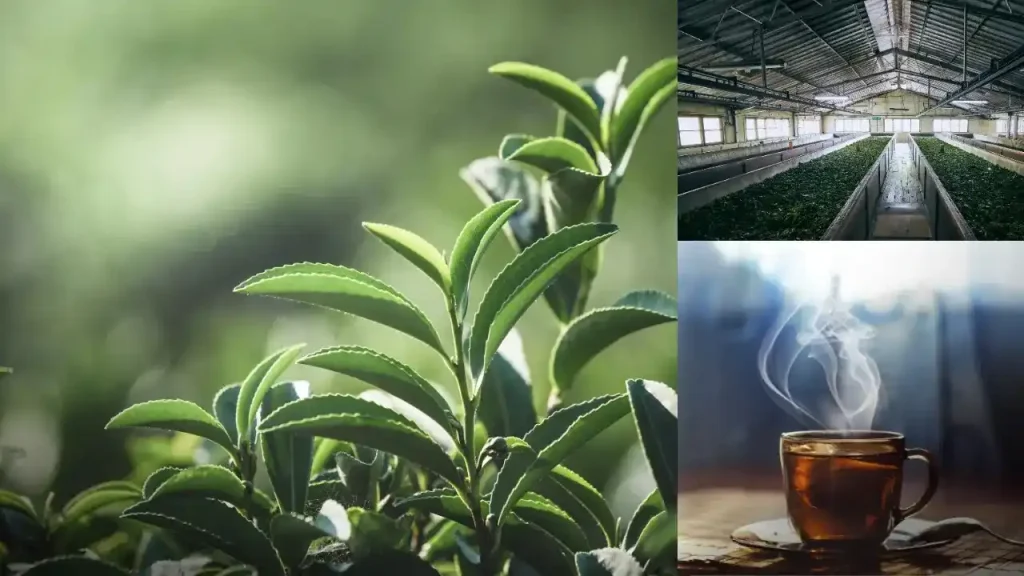
A key part of Sri Lankan Tea Culture is visiting the factory and learning how tea goes from leaf to cup. At a working estate you’ll witness harvesting of tender leaves, withering, rolling, oxidising (for black tea), firing and grading.
One plantation tour describes a 10-step process: green-leaf receiving, withering, rolling, fermenting, firing, sorting and dispatching. Anita’s Feast
In Sri Lanka, black tea dominates domestic consumption and international export.
ceylonblacktea.com+1 Discovering this process gives real insight into the craft and culture of tea. For travel writing, it’s a profound moment of connection between landscape, labour and your cup.
Sipping and sharing – The cup of Sri Lankan Tea Culture

The final experience of Sri Lankan Tea Culture is in the tasting. Whether in a colonial-style tea lounge or a rustic estate bungalow, you’ll sip Ceylon tea—often black, sometimes with a splash of milk or a hint of ginger. ceylonblacktea.com
High-tea in Nuwara Eliya serves as highlight: a three-tier tray of savouries with unlimited tea. Out Chasing Stars
As a traveller, make time to linger over tea—talk with estate staff, learn about varieties (e.g., high-grown vs low-country teas) and appreciate that this beverage is woven into daily Sri Lankan life.
Sri Lankan Tea Culture is not only about export and economy but daily rituals, gatherings, and local hospitality.
Travel tips for exploring Sri Lankan Tea Culture

1. Choose your base wisely. If your interest is tea, stay in the Hill Country (Nuwara Eliya, Ella, Haputale) rather than just the coast.
2. Estate tours & factory visits: Book ahead. Many estates offer tea tours and tastings. For example, tours in the Dimbula valley at Somerset Estate. Anita’s Feast
3. Timing matters: Morning plucking may be more visually interesting; misty landscapes photograph beautifully at dawn.
4. Respect local communities: Tea estates are working homes for many. Dress respectfully, follow guidelines when touring. Sri Lankan Tea Culture values the workers’ hospitality. Time Travel Turtle
5. Taste varietals: Ask about “high-grown” vs “low-grown” teas; explore speciality teas if available.
6. Pair with other travel segments: Combine tea country with a scenic train ride (like Kandy to Ella), waterfalls, colonial bungalows, and local cuisine.
7. Pack accordingly: Higher altitudes can be cool; bring layers and a camera to capture sweeping tea slopes.
Why travellers fall for Sri Lankan Tea Culture
There are many reasons why Sri Lankan Tea Culture is a highlight of travel in Sri Lanka:
- The landscape is stunning: endless tea bushes, misty mountains, cool climates—visual travel heaven.
- The human story: each cup links with thousands of hands—from plucker to processor—adding depth to your travel experience.
- The heritage: you are part of a tradition dating back to the 19th century and global legacy of Ceylon tea.
- The immersive experience: from fields to factories to teas in estate houses—you’re not just observing but participating.
- The cross-cultural appeal: whether you’re a foodie, a nature lover, a history buff or a luxury traveller, tea-country offers something special.
By engaging with Sri Lankan Tea Culture, you elevate your trip beyond beaches and temples into the heart of the island.
FAQs – Sri Lankan Tea Culture
Q1: What is the best region in Sri Lanka to experience tea culture?
A1: The Hill Country—especially around Nuwara Eliya, Ella, Kandy and Dimbula—is the best for an immersive tea-culture experience. You’ll find working estates, factory tours and lush scenery. Out Chasing Stars+1
Q2: Can visitors tour tea factories and estates in Sri Lanka?
A2: Yes — many estates welcome visitors and offer guided tours of plantations and processing factories, sometimes ending with a tea-tasting session. It’s a key component of Sri Lankan Tea Culture. Anita’s Feast+1
Q3: What should I expect when tasting Ceylon tea on-location?
A3: Expect to sip freshly brewed tea, learn about grades (high-/low-grown), sample different infusions, and appreciate the aroma, colour and body of the tea. The tasting might be paired with local snacks or even a high-tea in colonial-era settings.
Conclusion
If you seek to explore Sri Lankan Tea Culture in your travel plans, you’re signing up not just for beautiful hills and verdant green, but for a layered journey into history, labour, craft and hospitality.
From the leaf plucked under misty skies, through the factory’s gentle hum, to the fragrant cup in your hand—you’ll feel connected to the heart of Sri Lanka. Make time for this experience, and you’ll appreciate the island in a whole new flavour.
If you find more Cultural Experiences in Sri Lanka link with us https://xelki.com/category/culture-experiences/